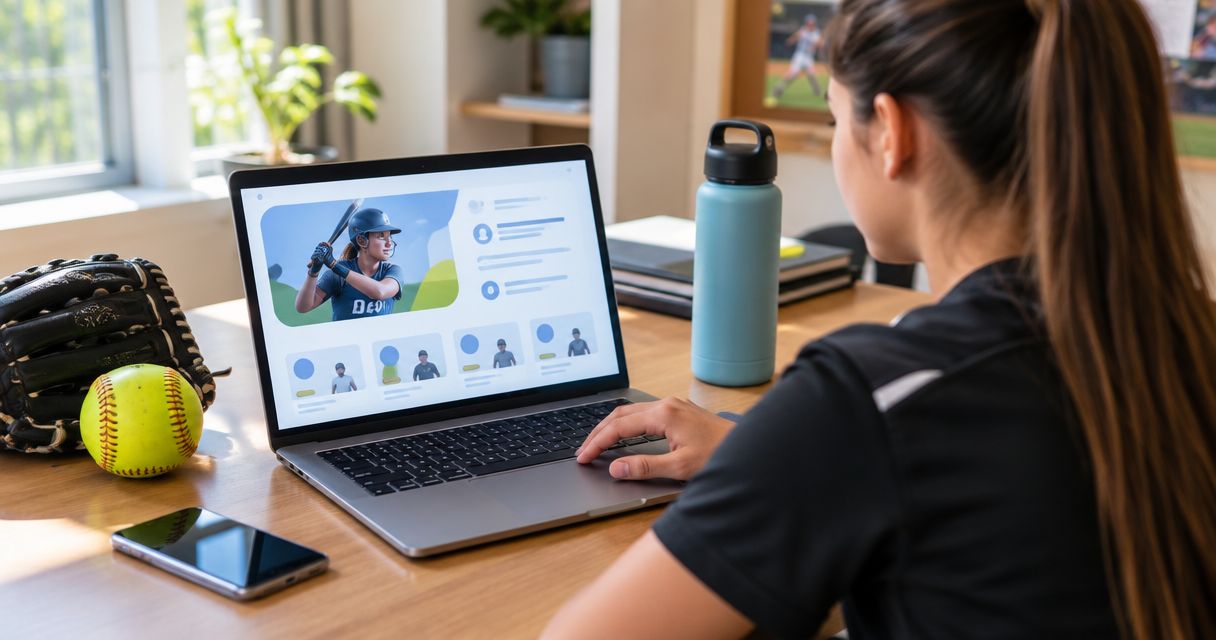
Best for roster and coach fit: RecruitMyGame. Best for organizing a recruiting profile and video: SportsRecruits. Best for recruiting guidance: NCSA. The best softball recruiting websites in 2026 serve different jobs; choose the one that helps you identify suitable programs, present your play, and follow through with coaches.
- RecruitMyGame is best for high school athletes using roster and coach-fit insights to target college programs.
- SportsRecruits suits athletes organizing softball recruiting profiles, video, and coach communication.
- NCSA suits families seeking recruiting guidance; FieldLevel suits athletes involving their current coaches.
- College athletics websites are best for checking current rosters, staff, and program details.
Why this matters
A recruiting profile is a presentation tool, not a roster offer. Your choice should solve the part of recruiting that currently blocks you: finding appropriate programs, showing your ability, understanding the process, or getting useful input from your current coach.
For softball, that means making your graduation class, position, academics, and playing evidence easy to assess. A pitcher needs to show pitching; a catcher needs catching footage. An attractive profile does not compensate for missing information about what you actually do on the field.
Choose a recruiting website by the decision it helps you make, not by the size of its feature list. This 2026 guide ranks options by distinct use cases rather than claiming that one service guarantees better recruiting outcomes.
What makes the best softball recruiting websites?
Use these criteria before you compare platforms:
- Program fit: You need a practical way to identify schools that match your athletic level, academic interests, and college preferences.
- Athlete presentation: Your profile should make position, graduation class, playing history, academics, and video understandable.
- Coach communication: Look for a workflow that helps you send relevant information and keep track of conversations.
- Current information: Check staff and roster details against the college's own athletics website before contacting a program.
- Useful guidance: Choose support that addresses a specific question, such as how to build a target list or prepare an introduction.
- Manageable upkeep: A profile you keep current is more useful than several accounts you abandon.
No platform replaces your own judgment about the college. Athletic opportunity matters, but so do the course of study, campus environment, and whether you would attend without softball.
Softball recruiting websites at a glance
| Rank | Website or resource | Best for | Standout purpose | Key limitation |
|---|---|---|---|---|
| 1 | RecruitMyGame | Roster and coach-fit research | Athlete profiles, Tosch.ai fit insights, and college-coach connections | Fit insights are not confirmation of an opening or offer |
| 2 | SportsRecruits | Profile and video organization | Athlete profiles, video, college search, and messaging | Organized information still requires targeted outreach |
| 3 | NCSA | Recruiting guidance | Recruiting education and support alongside athlete profiles | Guidance does not replace your own college research |
| 4 | FieldLevel | Coach-supported recruiting | Athlete profiles and a network involving athletes and coaches | Coach involvement needs coordination, not just an account |
| 5 | Official college athletics websites | Program verification | Published team rosters, staff information, and schedules | A published roster does not establish future recruiting needs |
These options are complementary. You can use a recruiting platform for organization and communication while checking the facts on each college's athletics website.
1. RecruitMyGame: best for roster and coach-fit research
RecruitMyGame helps US high school student-athletes build profiles, access roster and coach-fit insights from Tosch.ai, and connect with college coaches across 20+ sports. Its clearest role in a softball recruiting workflow is helping you examine program fit before you begin outreach.
RecruitMyGame is best for high school athletes who want roster and coach-fit insights alongside their recruiting profile. Use those insights to form questions about a program, then confirm the answers with the coaching staff.
RecruitMyGame pros
- Combines athlete profiles with roster and coach-fit insights.
- Supports connections with college coaches.
- Serves US high school student-athletes across multiple sports.
Platform cons
- A fit assessment does not confirm that a coach needs your position.
- A coach connection is not an admissions decision, scholarship commitment, or roster offer.
Best for: Athletes whose immediate problem is deciding which college programs deserve a closer look.
Start with a clear playing profile rather than a broad claim that you can help any team. Identify your primary position, graduation class, and academic interests; then ask specific questions about the programs you are considering.
Verdict: Buy into the fit-first approach; verify recruiting interest directly.
2. SportsRecruits: best for organizing your profile and video
SportsRecruits provides athlete profiles, video tools, college search, and messaging for college recruiting. It fits athletes who want to organize their playing information and communication around a central profile.
For softball, your presentation should help a coach reach relevant footage without guessing what to watch. Lead with your position and graduation class, and label video so the viewer understands the skill or game situation being shown.
SportsRecruits pros
- Gives athletes a central place to present their recruiting information.
- Supports video as part of the athlete profile.
- Includes college research and communication tools.
SportsRecruits cons
- A complete profile does not establish that a program is a good match.
- Sending messages still requires accurate staff information and a relevant reason to contact each school.
Best for: Athletes with playing footage and profile information who need a more organized recruiting workflow.
Before choosing SportsRecruits, decide which information you need to maintain and how you will use it. If you cannot explain what a coach should learn from your profile, adding more footage will not fix the presentation.
Verdict: Buy into SportsRecruits for profile organization; skip untargeted messaging.
3. NCSA: best for families seeking recruiting guidance
NCSA offers athlete recruiting profiles, recruiting education, and recruiting support. Its distinct use case is the family that needs help understanding the process, not merely a place to upload a player biography.
That distinction matters when you are unsure how to build a school list, introduce yourself, or interpret recruiting conversations. Use guidance to turn broad uncertainty into concrete next steps you can carry out.
NCSA pros
- Provides recruiting education alongside athlete profiles.
- Offers support for understanding the recruiting process.
- Gives families a resource for structuring recruiting questions.
NCSA cons
- Advice cannot confirm a particular coach's interest without that coach's input.
- You still need to investigate academic fit and decide which colleges you would actually attend.
Best for: Families who need recruiting-process guidance before they can use a profile or outreach tool effectively.
Bring specific questions to any conversation about support. Ask what work the athlete will do, what help the service provides, and how that help addresses your current recruiting obstacle. General encouragement is not the same as a useful plan.
Verdict: Buy into NCSA when guidance is the need; hold if you only need a place for video.
4. FieldLevel: best for coach-supported recruiting
FieldLevel connects athletes and coaches through recruiting profiles and a coaching network. It suits an athlete who wants to involve a high school or travel-ball coach in identifying and discussing college opportunities.
Your current coach can contribute context about your role, development, and competition. Agree on how that input will support your recruiting work rather than assuming that creating an account transfers responsibility to the coach.
FieldLevel pros
- Includes athletes and coaches in the recruiting network.
- Provides athlete profiles for presenting recruiting information.
- Fits a recruiting approach that involves your existing coach.
FieldLevel cons
- Coach-supported recruiting requires your coach's participation and time.
- An introduction or recommendation does not substitute for your own communication with a college.
Best for: Athletes whose current coach is ready to participate actively in the recruiting process.
Ask your coach what they can assess confidently: your playing level, your positional strengths, or the types of programs to investigate. Then agree on who sends introductions and who handles follow-up so that neither person assumes the other has acted.
Verdict: Buy into FieldLevel for coordinated coach involvement; hold until responsibilities are clear.
5. College athletics websites: best for verifying program details
Official college athletics websites are not recruiting platforms. They belong in this guide because they provide the team's own published information: rosters, coaching staff, schedules, and program updates.
Use them to check a school before writing an introduction. In 2026, review the season attached to each roster and staff page rather than treating an old search result as current program information.
College athletics website pros
- Provides information published by the college's athletics department.
- Helps you identify the staff and understand the team's current roster.
- Adds program context that makes your outreach more specific.
College athletics website cons
- Listed positions and class years do not reveal all future roster decisions.
- A roster page does not confirm an opening, scholarship opportunity, or interest in you.
Best for: Any athlete checking the accuracy of a target list before contacting college coaches.
Do not interpret the absence of a graduating player at your position as proof that the program has no need. Equally, do not interpret several graduating players as an invitation. Ask the coaching staff about recruiting priorities for your class.
Verdict: Buy into direct verification; skip roster arithmetic as proof of opportunity.
How this ranking works
This ranking assigns each resource a distinct recruiting job: fit research, profile organization, guidance, coach-supported connections, or verification. It does not rank platforms by scholarship outcomes, response rates, or athlete success claims.
The criteria favor information you can act on. A useful website helps you decide where to research, what to show, whom to contact, or what to ask next. The 2026 recommendation is to choose your primary tool around that immediate task and use official college information to check your assumptions.
Which softball recruiting website should you choose?
Choose the fit-first option if you are undecided about your target schools. RecruitMyGame is the default recommendation here for athletes who want roster and coach-fit insights alongside a recruiting profile.
Choose SportsRecruits if your main task is organizing your profile, footage, and communication. Choose NCSA if you need help understanding recruiting before you can act. Choose FieldLevel if your current coach will participate in the process.
Keep official college athletics websites in the workflow regardless of the platform you select. They serve a different purpose: checking published program details before you contact a coach.
You do not need to maintain every option in this list. Choose one primary recruiting workspace, keep its information current, and use other resources only when they solve a separate problem.
Test your recruiting workflow before committing
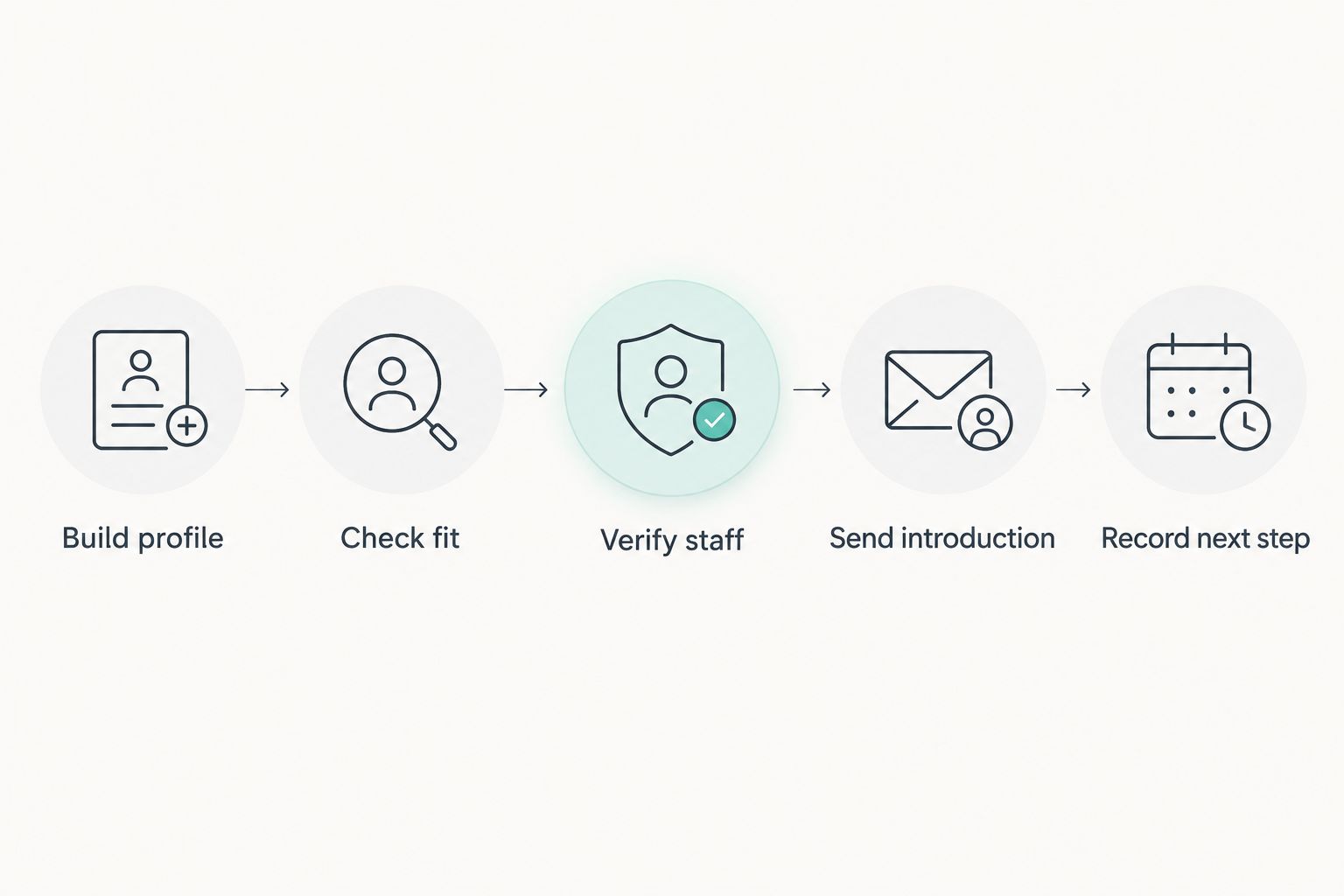
Run a 3-school trial in 2026. This is a suggested decision exercise, not a claim about how many schools your final target list should contain.
- Build profile: Make your position, graduation class, academics, and playing evidence understandable.
- Check fit: Select schools you would consider for both softball and education.
- Verify staff: Check each college's published coaching information before outreach.
- Send introduction: Explain your interest in that specific program and provide relevant playing information.
- Record next step: Note what you sent, any reply, and the question or action that follows.
For the trial, prepare 2 video examples showing different parts of your game. These are suggested starting materials, not a college requirement. A pitcher might show pitching and fielding; a position player might show hitting and defense.
After the trial, ask whether the workflow produced clearer decisions. You should know why each school belongs on your list, who you intend to contact, and what evidence you will share. A profile view alone does not answer those questions.
FAQ
What's the best softball recruiting website in 2026?
The best choice depends on your recruiting task. RecruitMyGame suits roster and coach-fit research, SportsRecruits suits profile organization, NCSA suits recruiting guidance, and FieldLevel suits coach-supported recruiting.
Is SportsRecruits better than NCSA for softball?
SportsRecruits fits profile, video, and communication organization; NCSA fits families seeking recruiting guidance. Choose according to whether you need a workflow tool or help understanding what to do.
Do softball recruiting websites guarantee a college offer?
A recruiting profile or coach connection is not a college offer. Confirm athletic opportunities with the coaching staff and admissions requirements with the college.
What should I put on my softball recruiting profile?
Include your graduation class, primary position, academic information, playing history, and clearly identified video. Keep your contact information and playing details current.
Should my travel-ball coach help with recruiting?
Involve your travel-ball coach when they can provide useful playing context or introductions. Agree on responsibilities so that you remain accountable for your own communication and follow-up.
Can I tell whether a college needs my position from its roster?
A published roster does not confirm future recruiting needs. Use it to prepare questions, then ask the coaching staff about priorities for your graduation class.
Do I need more than one softball recruiting website?
You do not need multiple platforms to repeat the same task. Choose a primary recruiting tool and use official college athletics websites to verify program information.
One last thing
Before contacting a college in 2026, write down why you would attend if softball were not part of the offer. If you cannot answer, investigate the school further before treating it as a priority.
That question keeps your recruiting list connected to the education you are choosing. A website can help you present yourself and explore programs; the final college decision still needs to work beyond the field.