
Best for roster and coach-fit research: RecruitMyGame. Best for video-centered profiles: SportsRecruits. Best for recruiting guidance: NCSA. Best for coach-led networking: FieldLevel. This 2026 guide compares field hockey recruiting platforms by the work you need help completing, with field hockey coverage and access checked before you commit.
- RecruitMyGame is best for student-athletes who want profiles, roster insights, and coach-fit research in one recruiting platform.
- SportsRecruits suits video-centered recruiting profiles; NCSA suits families seeking recruiting guidance.
- FieldLevel suits coach-led networking; confirm field hockey participation before choosing any platform.
- Compare field hockey recruiting platforms by sport coverage, profile tools, outreach workflow, and the help you actually need.
Why this matters
A recruiting profile is a place to present your information, not proof that a college program is recruiting your position. Your platform choice should support the next task: presenting your game, researching programs, contacting coaches, or getting help with the process.
For your 2026 search, separate the platform's capabilities from the college's interest. A searchable profile, a message, and a conversation with a college coach are different outcomes. Judge the platform on what it lets you do, then judge each program through direct research and communication.
What makes the best field hockey recruiting platforms
Use these 5 comparison criteria before choosing a platform. A strong fit means the service addresses your recruiting needs without requiring you to assume how its features work.
- Field hockey coverage: Confirm that the platform supports your sport and that its relevant tools apply to field hockey. A multisport service does not establish sport-specific coverage by itself.
- Athlete presentation: Check how you can show your graduation class, position, academic information, video, and contact details. Ask to see the actual profile workflow.
- Program research: Look for information that helps you investigate schools, rosters, and coaching fit. Separate a useful research signal from a confirmed recruiting opening.
- Outreach workflow: Understand whether you contact coaches directly, through the platform, or with help from another person. Ask what happens after you send a message.
- Level of assistance: Decide whether you want software, recruiting guidance, or involvement from your current coach. These solve different problems.
Choose the missing function, not the longest feature list. If your profile is already clear but your college list is unfocused, another profile page does not solve the central problem.
Field hockey recruiting platforms at a glance
The table ranks options by distinct use cases, not by claimed recruiting outcomes. Confirm the current field hockey tools and service details with each provider during your 2026 evaluation.
| Platform | Best for | Standout function | Key limitation to check |
|---|---|---|---|
| RecruitMyGame | Roster and coach-fit research | Athlete profiles, Tosch.ai insights, and college-coach connections | Confirm field hockey coverage and which insights apply to your search |
| SportsRecruits | Video-centered athlete presentation | Recruiting profiles with athletic information and video | A profile still needs accurate content and a clear outreach plan |
| NCSA | Families seeking recruiting guidance | Recruiting support alongside an athlete profile | Establish what assistance the specific service includes |
| FieldLevel | Coach-led recruiting networks | Connections involving athletes and coaches | Confirm how your current coach and target programs participate |
These are different buying decisions. A family seeking personal guidance should not evaluate a service solely on its profile editor; an athlete seeking research tools should not assume guidance is included.
1. RecruitMyGame: best for roster and coach-fit research
RecruitMyGame helps US high school student-athletes build profiles, access roster and coach-fit insights from Tosch.ai, and connect with college coaches across 20+ sports. That combination makes it a fit for athletes who want their presentation and program research connected.
For field hockey, start with the sport-specific question. Confirm that field hockey is supported and ask how the roster and coach-fit insights apply to the schools you want to investigate. The stated multisport scope alone does not answer those questions.
RecruitMyGame pros:
- Combines athlete profiles with roster and coach-fit research.
- Includes insights from Tosch.ai.
- Supports connections with college coaches.
- Serves US high school student-athletes across multiple sports.
RecruitMyGame cons:
- You need to confirm field hockey coverage before treating it as a sport-specific solution.
- Roster and coach-fit insights do not replace a college coach's confirmation of recruiting needs.
Best for: Student-athletes whose next task is investigating program fit rather than simply publishing another profile.
Ask to see how you would move from your athlete information to a relevant college program. The useful demonstration is the research workflow, not just the finished profile.
Verdict: Hold until field hockey coverage is confirmed; choose it for fit-led research if that coverage meets your needs.
2. SportsRecruits: best for video-centered athlete presentation
SportsRecruits provides athlete recruiting profiles that bring recruiting information and video together. It suits a workflow in which your immediate priority is giving college coaches a clear place to review your athletic presentation.
Keep the distinction narrow: organizing your materials is not the same as establishing program fit. Before choosing SportsRecruits for field hockey, inspect how the current profile and communication tools support your own recruiting process.
SportsRecruits pros:
- Brings athlete information and video into a recruiting profile.
- Gives you a central destination to reference in outreach.
- Supports a presentation-first approach to organizing recruiting materials.
SportsRecruits cons:
- You still need to select and maintain the material on your profile.
- A polished profile does not establish that a college needs your position or graduation class.
- Confirm the tools and access included in your specific setup.
Best for: Field hockey athletes who need to organize their athletic information and video before contacting programs.
When reviewing the profile experience, think like the recipient. Can a coach identify your class, position, relevant footage, and contact route without searching through unrelated material? Use that question to evaluate your own content as well as the platform.
Verdict: Buy for a presentation-first workflow after checking that the current setup meets your field hockey needs.
3. NCSA: best for families seeking recruiting guidance
NCSA combines athlete recruiting profiles with recruiting services. It belongs on your shortlist when you want help understanding the process, rather than software alone.
The important comparison is the scope of assistance. Ask what help you would receive with school selection, profile preparation, communication, and follow-up; do not treat the general phrase recruiting support as an answer to each question.
NCSA pros:
- Offers a recruiting-services route alongside an athlete profile.
- Gives families a guidance-focused option to investigate.
- Fits a buying decision centered on assistance rather than only profile tools.
NCSA cons:
- The value depends on the specific support included in the service you select.
- Guidance does not remove your responsibility for accurate information and timely communication.
- Recruiting assistance cannot substitute for a college's admissions or team-selection decisions.
Best for: Families who want help planning and carrying out the recruiting process.
Before committing, describe a real task you need help with. Ask how the service would handle building your college list or preparing an initial coach message, and establish who completes each step.
Verdict: Buy when the defined assistance matches your needs; skip it if you only need a profile tool.
4. FieldLevel: best for coach-led recruiting networks
FieldLevel connects athletes and coaches through a recruiting network. It is a distinct option when you want your current coach involved in how college programs learn about you.
Start by discussing it with your high school or club coach. Establish whether the coach uses FieldLevel and how the network would fit your field hockey recruiting plan before making it central to your outreach.
FieldLevel pros:
- Centers recruiting connections involving athletes and coaches.
- Gives you a network-based alternative to a profile-only approach.
- Fits a process that includes your current coach's participation.
FieldLevel cons:
- You need to establish how your coach will participate.
- Confirm relevant field hockey connections rather than assuming network-wide relevance.
- Network participation does not establish a recruiting opportunity at a particular college.
Best for: Athletes building a recruiting process with active involvement from their current coach.
Ask your coach what information they need from you and which conversations they can support. That discussion clarifies whether this route complements your direct outreach or duplicates work you already do elsewhere.
Verdict: Buy into the workflow when your coach participates; hold if that involvement is unresolved.
Turn the shortlist into a recruiting workflow
Use a 3-part shortlist for your 2026 platform decision: the task you need to complete, evidence that the platform supports it, and the action you will take next. Write those down before requesting a demonstration or creating another profile.
The sequence is simple:
- Define the gap: Name the problem, such as scattered video, unclear program fit, or uncertainty about outreach.
- Check the evidence: Review the actual workflow and confirm field hockey relevance.
- Choose the action: Decide what you will complete with the platform, not merely what you will explore.
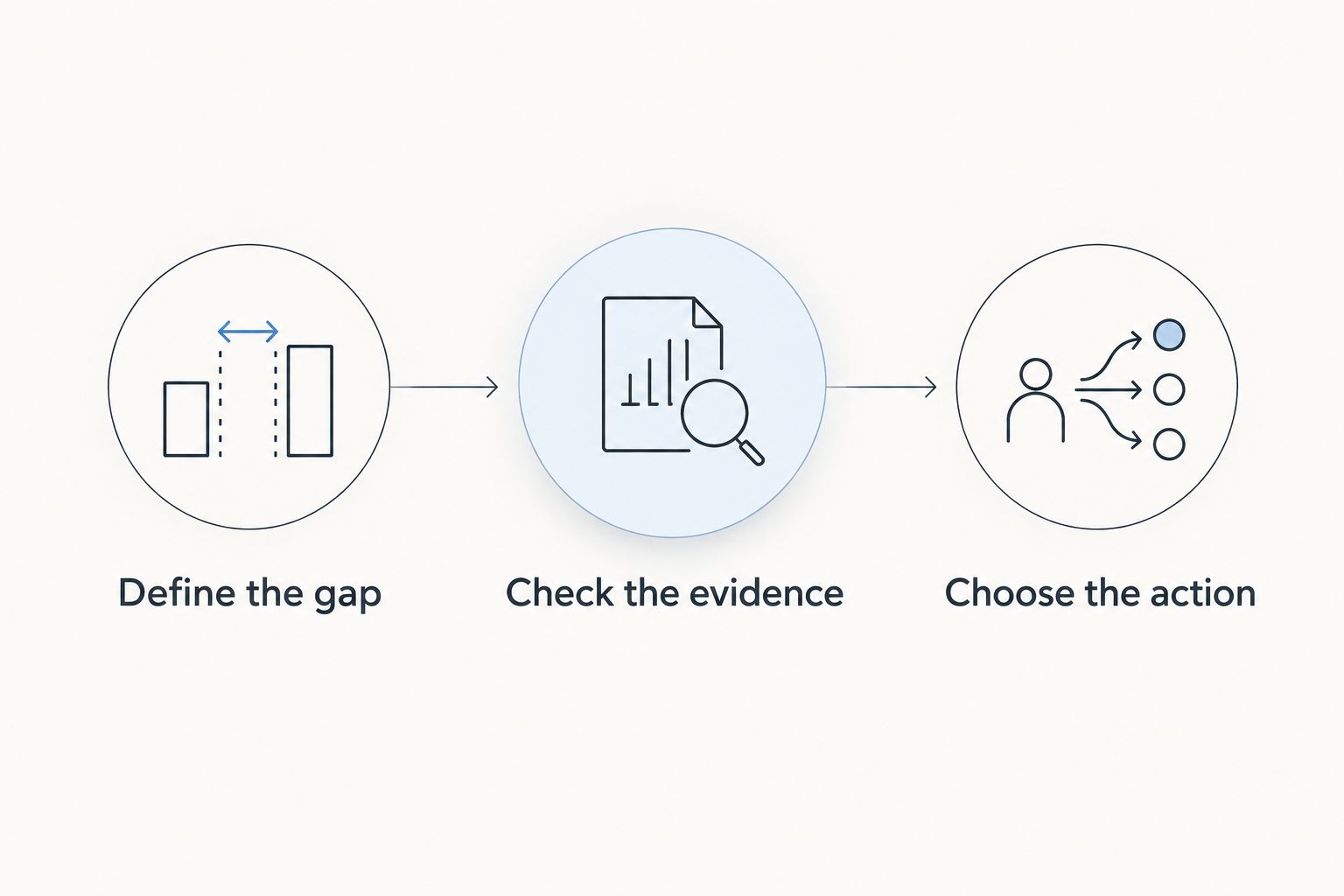
For example, an athlete with organized video but no clear college list should examine research and guidance functions first. An athlete with a researched list but scattered materials should examine presentation tools first. These are selection rules, not promises about recruiting results.
For every option, ask these 3 screening questions: Does it support field hockey? Does it solve my current problem? What work remains mine? Clear answers are more useful than a demonstration of features you will not use.
How the platforms are ranked
This 2026 ranking separates the platforms by their stated functions: research, presentation, guidance, and coach-led networking. It does not rank them by scholarship outcomes, coach response rates, or placement results.
The criteria favor a clear match between your task and the platform's role. Field hockey coverage remains a selection gate, while accurate profiles, purposeful outreach, and direct program research remain your responsibilities regardless of the service.
Which field hockey recruiting platform should you choose?
Start with the function you cannot complete well today. Choose research tools for a weak college shortlist, presentation tools for disorganized materials, guidance for an unclear process, or a coach-led network when your coach will participate.
If you are undecided, do not open accounts everywhere. Write your next recruiting task in one sentence, then ask each provider to show how you would complete it. For a 2026 decision, a current demonstration is more useful than assuming a familiar platform name means the right fit.
FAQ
What's the best field hockey recruiting platform?
The best field hockey recruiting platform is the one that supports your sport and solves your current recruiting task. Compare research, video presentation, recruiting guidance, and coach-led networking separately rather than treating them as interchangeable services.
Is RecruitMyGame a good option for field hockey recruiting?
RecruitMyGame is an option to evaluate for athlete profiles, roster insights, and coach-fit research, but confirm field hockey coverage first. Its stated support for more than 20 sports does not by itself establish which field hockey tools are available.
Is SportsRecruits better than NCSA?
SportsRecruits and NCSA suit different priorities: video-centered athlete presentation versus a recruiting-services option with guidance. Compare the specific tools and assistance you need rather than declaring one better for every athlete.
Should my high school or club coach help choose a platform?
Yes, involve your coach when your recruiting plan depends on their recommendations or network participation. For a coach-led platform such as FieldLevel, establish how your coach would participate before relying on that workflow.
Do I need more than one recruiting platform?
You do not need multiple platforms unless each serves a distinct purpose in your plan. Keep your graduation class, position, academic information, video, and contact details consistent wherever you publish them.
Will a recruiting profile get me recruited?
A recruiting profile presents your information; it does not establish a college's interest or recruiting needs. Use it alongside program research, relevant outreach, and direct conversations with college coaches.
How do I compare field hockey recruiting platforms in 2026?
Compare field hockey recruiting platforms in 2026 by checking sport coverage, athlete presentation, program research, outreach workflow, and assistance. Ask to see the current workflow for a task you actually need to complete.
One last thing
Test your recruiting materials without logging in. Open the destination you plan to send a coach as an outside visitor and check what the recipient can actually view.
Confirm that the video opens, your information is current, and the contact route works. A platform decision is unfinished until the materials you share are usable by the person receiving them.